Call us on 01792 845 203

Proudly family run in South Wales since 1983.

Glass options

Clear advice to help you choose the right glass for privacy, style and comfort.

Whether you’re choosing new windows, upgrading doors, planning a glazed extension or specifying roof glass, the right glazing makes a bigger difference than most people expect.

This guide covers the most popular glass options we offer from decorative finishes and privacy glass to solar control and integral blinds — with simple advice to help you decide.

Decorative glass styles

Add character, period detail or a modern feature with decorative glazing. We can advise on what works best for your property style, the level of privacy you need, and whether you want the design inside the unit (low maintenance) or applied externally (more traditional look).

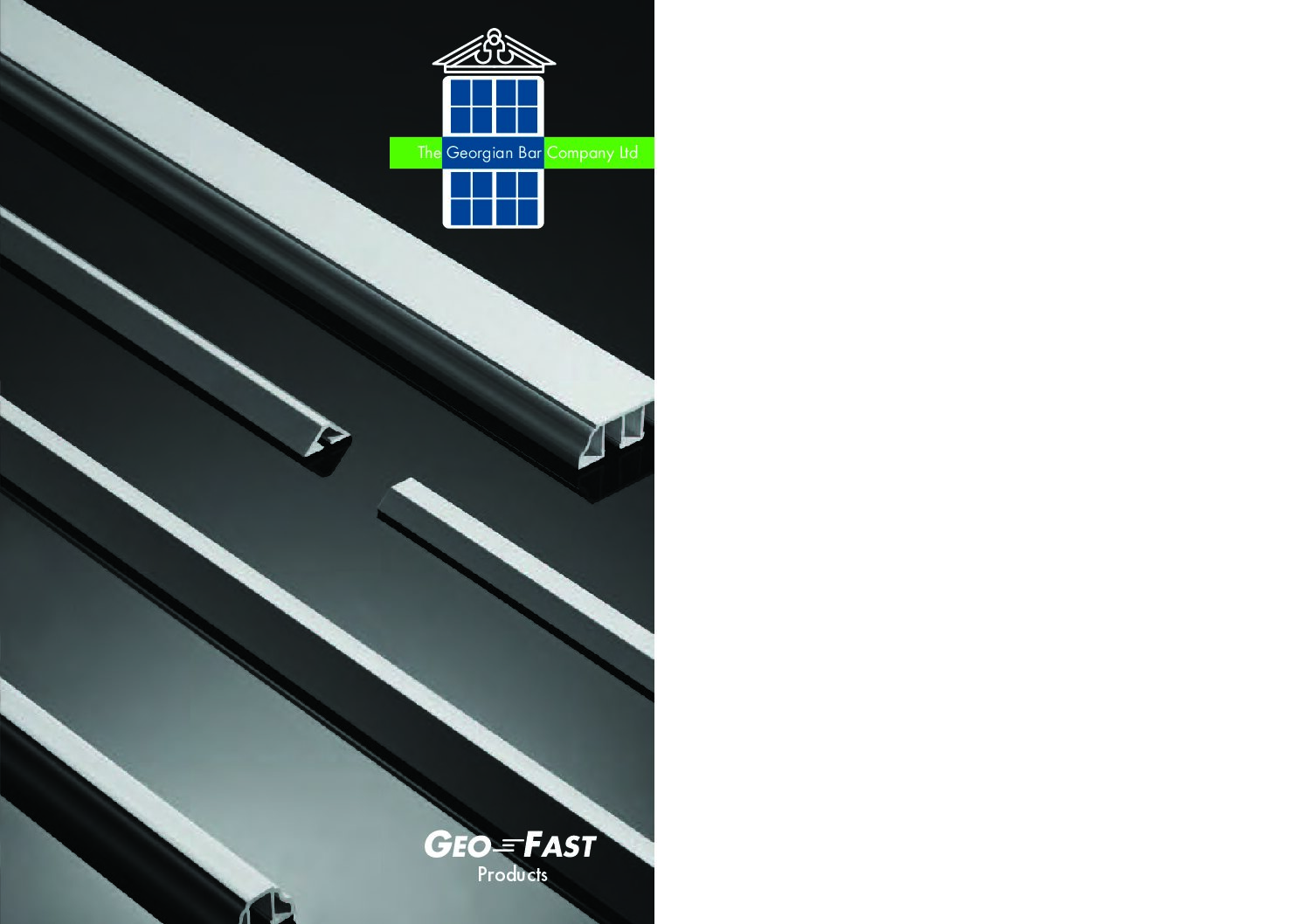
Georgian and Astragal bars

Georgian Bars
Internal bars in 18mm, 25mm or 8mm round, available in white, gold, chrome and a range of foiled colours.

Astragal Bars
Authentic Georgian style with modern performance. External bars create a classic timber‑look finish that boosts character and kerb appeal.

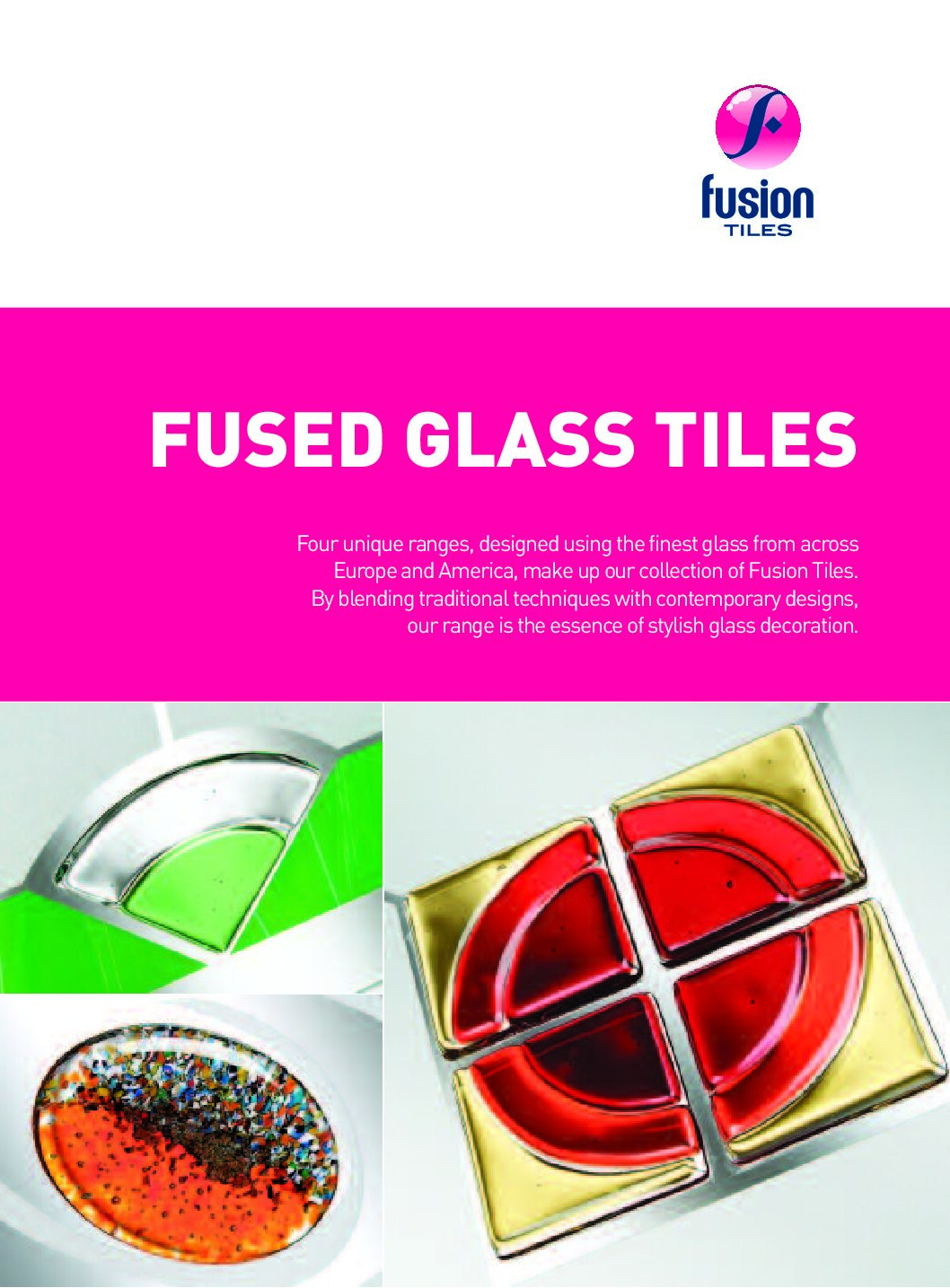
Decorative glass (leaded and bevelled designs)

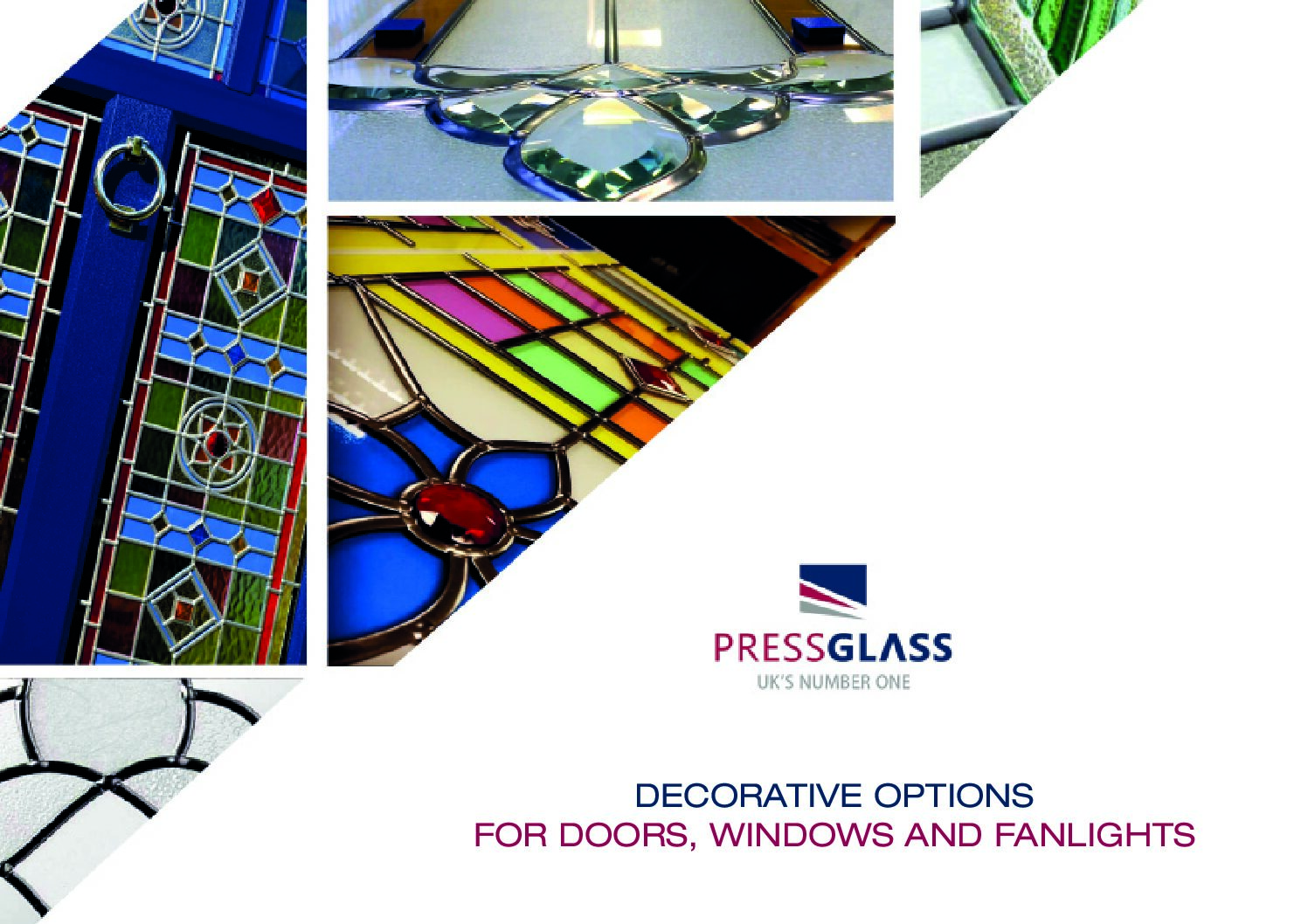
Enhance privacy and style with leaded patterns, bevels and coloured films. Perfect for front doors, bathrooms and feature windows, adding character while keeping natural light.


Decorative glass designs brochure:
classic + modern styles for doors, windows and fanlights.

RegaLead brochure: extended range of options for bevels, lead and films.

Etched glass designs

Etched (sandblasted) designs give a refined, contemporary finish and can provide privacy while still letting light through. It’s ideal where you want something subtler than patterned obscure glass.

Traditional lead lights (a specialist service)

If you have original stained glass you want to keep, we can often re-use and encapsulate it into a new double-glazed unit. It’s a great way to preserve character while improving thermal performance and reducing draughts.

Privacy glass (obscure glass options)

Privacy (obscure) glass is designed to let light in while limiting visibility. It’s most commonly used for bathrooms, landings, front doors and any window overlooked by neighbours.

Choosing the right privacy level

Obscure glass comes in a wide range of patterns and privacy levels — from subtle frosting to high-privacy designs. We’ll help you choose a pattern that suits the room, the style of the property, and the level of privacy you need.

Typical uses:

  • Bathrooms and en-suites
  • Side windows and porches
  • Front doors and entrance glazing
  • Stairwells and landings

Double vs triple glazing

The right glazing choice depends on the size of the opening, the room’s comfort needs, and the overall window/door specification.

Double glazing

Modern double glazing is a strong all-round choice for most homes. It improves comfort, reduces heat loss, and can be combined with options such as acoustic upgrades, solar control coatings and privacy glass.

Triple glazing

Triple glazing can offer further thermal improvements and help reduce outside noise in the right situations. It’s often best suited to:

  • Larger or more exposed elevations

  • Homes where comfort and energy efficiency are top priorities

  • Specific rooms where overheating or cold spots are a problem

We’ll advise on where triple glazing makes sense, and where you’re better investing in other upgrades.

Solar control glass

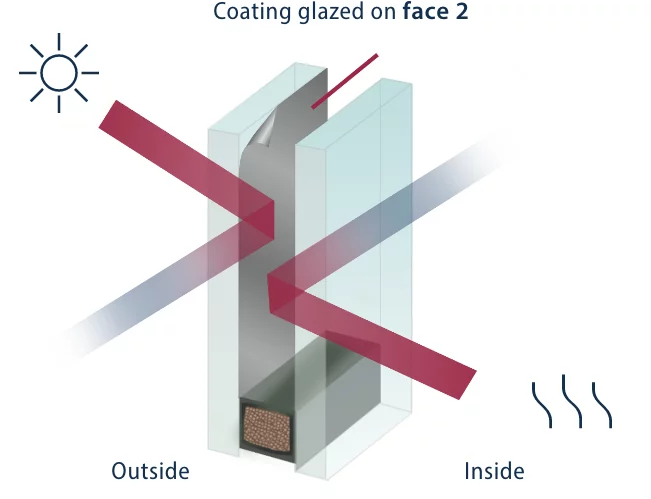
Large areas of glazing are brilliant for light, but they can lead to uncomfortable overheating in summer. Solar control glass is designed to reduce the amount of heat and glare entering the home while still keeping spaces bright.

When solar control is worth considering

If you’re planning a glazed space, we can recommend a suitable solar control specification so you get the light without the greenhouse effect.

Solar control coatings are especially useful for:

  • South- or west-facing glazing

  • Large patio sliders or bifold doors

  • Roof glazing and lanterns

  • “Glass box” style extensions and modern open-plan rooms

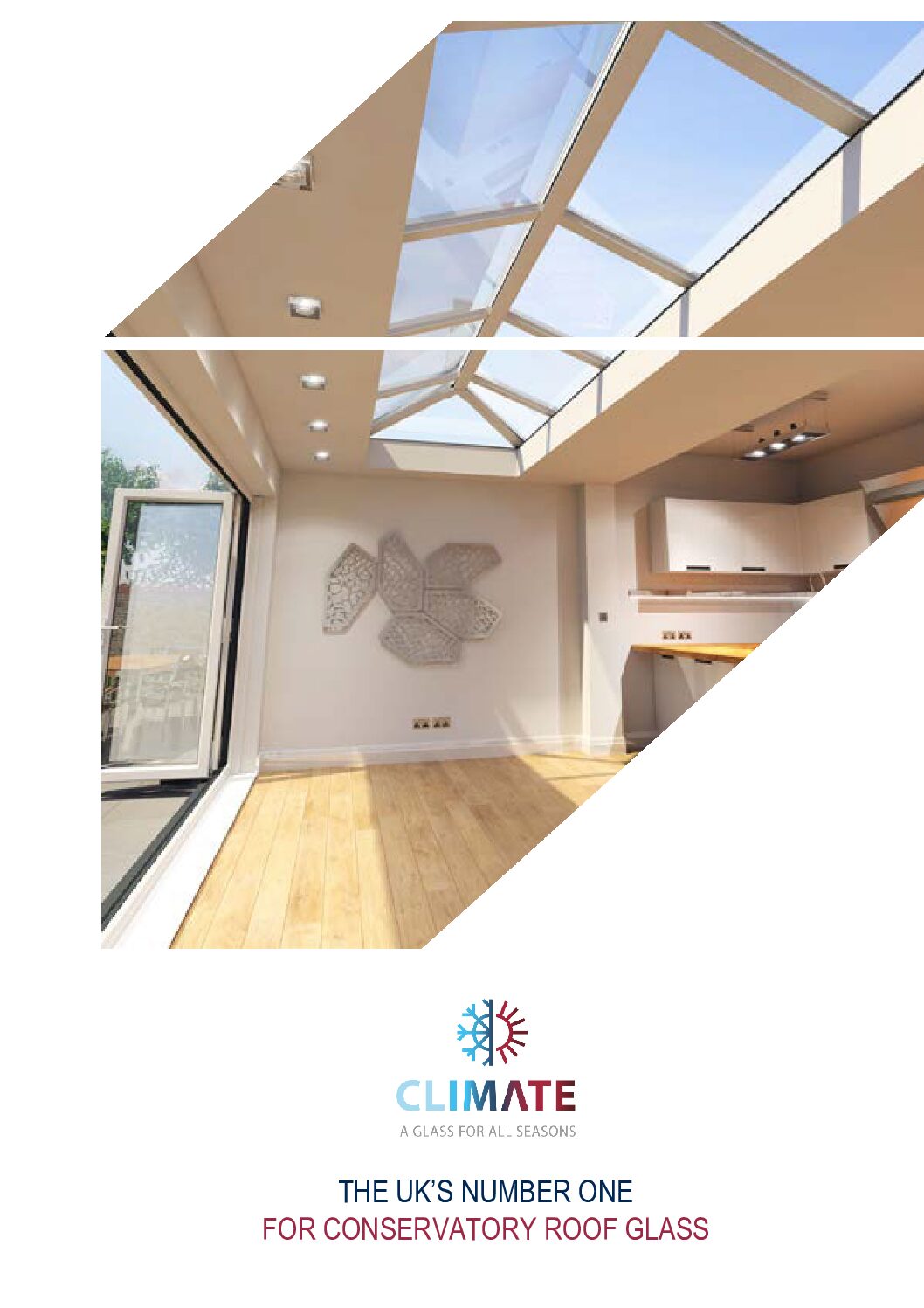
Roof glass (self-cleaning and performance upgrades)

Roof glazing needs slightly different consideration to vertical windows and doors. The right spec can improve comfort, reduce glare and help keep the glass looking cleaner for longer.

Self cleaning roof glass

Self-cleaning (EcoClean) roof glass uses a specialist coating to help break down organic dirt and allow rainwater to sheet off more effectively. It’s a popular upgrade for:

  • Roof lanterns

  • Flat rooflights

  • Glazed extensions and orangeries

We’ll guide you on what’s realistic to expect (it reduces cleaning, but doesn’t make roof glass maintenance-free).

Composite door glass

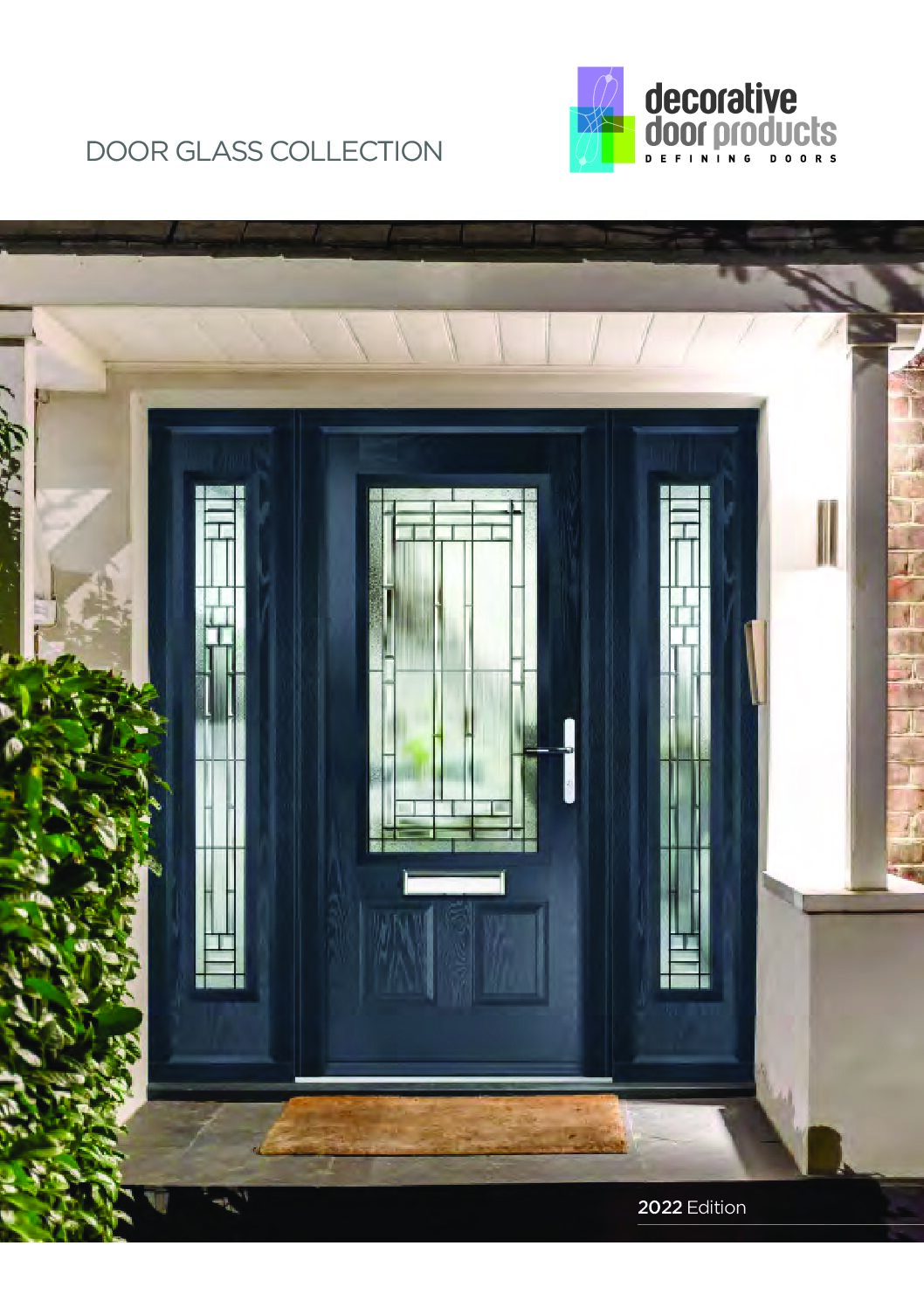
Composite door glazing is often selected as part of the door design itself, using the supplier’s door designer and glass options. This keeps the process straightforward and ensures the door is supplied and installed correctly.

Choosing glass for composite doors

In most cases:

  • You choose the door style and glazing design together

  • The door arrives pre-glazed, ready for installation

  • We can advise on privacy levels and styles that suit your home

If you’re looking for something more bespoke, we can discuss alternatives and guide you through what’s possible.

Morley Blinds logo

Integral blinds

Built-in blinds sit inside the sealed double-glazed unit, which means they stay clean, don’t gather dust, and don’t need external cords or fittings. They’re a great option for doors, large windows and glazed spaces where you want a clean, modern finish.

Why customers choose integral blinds

  • Neat, built-in look

  • Easy to operate

  • No dusting, no fabric cleaning

  • Great for patio doors and bifolds

  • Helps manage privacy and glare


If you’d like to see how they work, we can talk you through options and help you choose the right finish for your glazing.

Not sure which glazing options you need?

Get in touch for straightforward advice or a no-pressure quote.

Tell us what you’re looking to achieve, we’ll recommend the most suitable options and explain the trade-offs clearly.