Most home improvement work has Building Regulations considerations, but what’s required depends on the scope of work.
Replacement windows and external doors are “controlled fittings” and must meet Building Regulations (for example energy efficiency, safety glazing, ventilation and means of escape where relevant).
Distinction Windows is FENSA registered, which means we can self-certify qualifying replacement window and door installations and provide certification as proof of compliance.
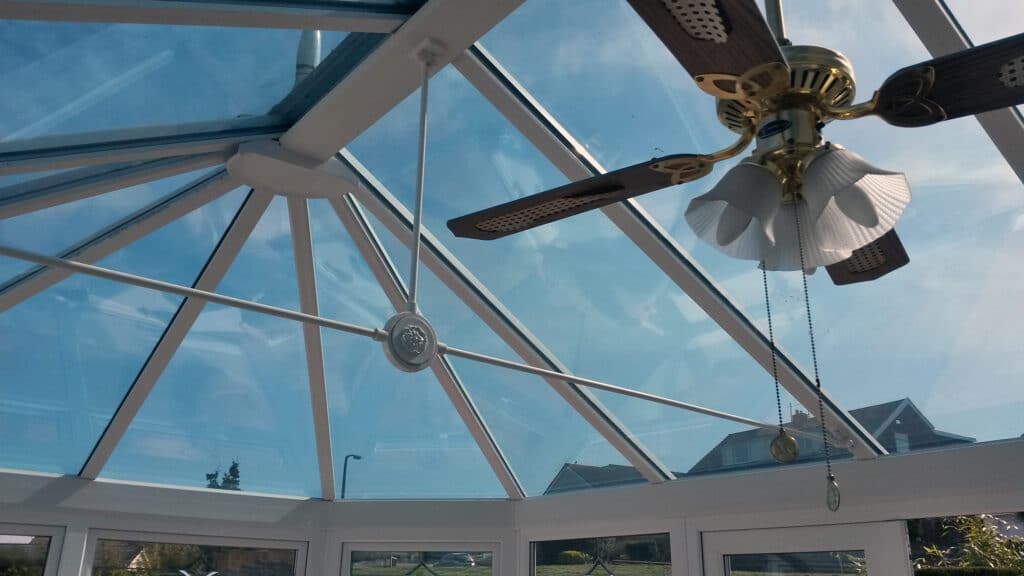
Conservatories in Wales are normally exempt from Building Regulations approval when they meet certain conditions (for example: ground level, under 30m², thermally separated from the house by external-quality doors/walls/windows, no fixed heating or heating system extended into the conservatory, and glazing/electrics comply). Exemptions aren’t automatic — it depends on the design and specification.
Important: even where the conservatory is exempt, a new structural opening between the conservatory and the house will require Building Regulations approval.
Porches can also be exempt in Wales in many cases, but (among other factors) the existing front entrance door must remain in place, and the porch must not adversely affect level/ramped disabled access where this applies.
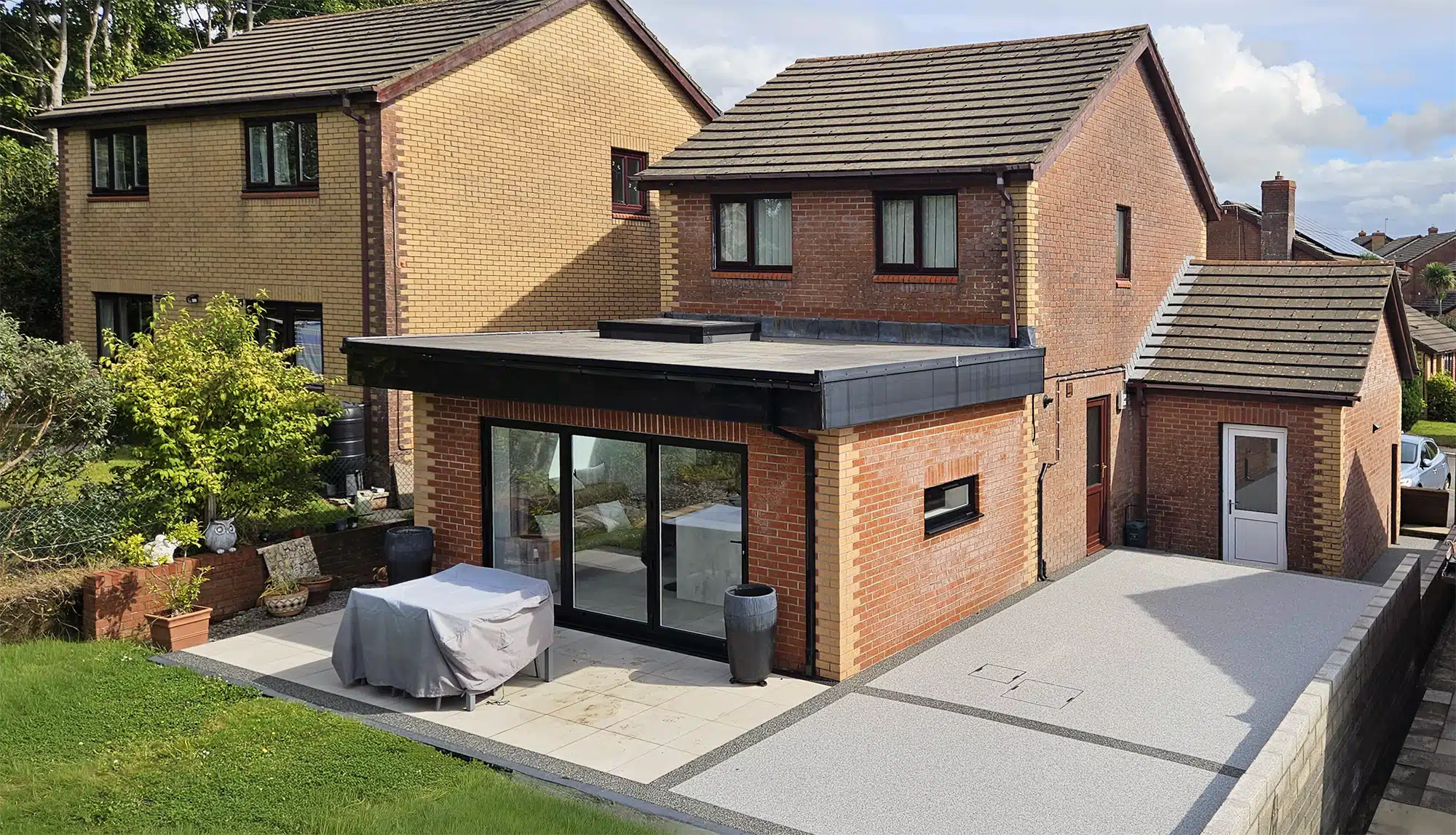
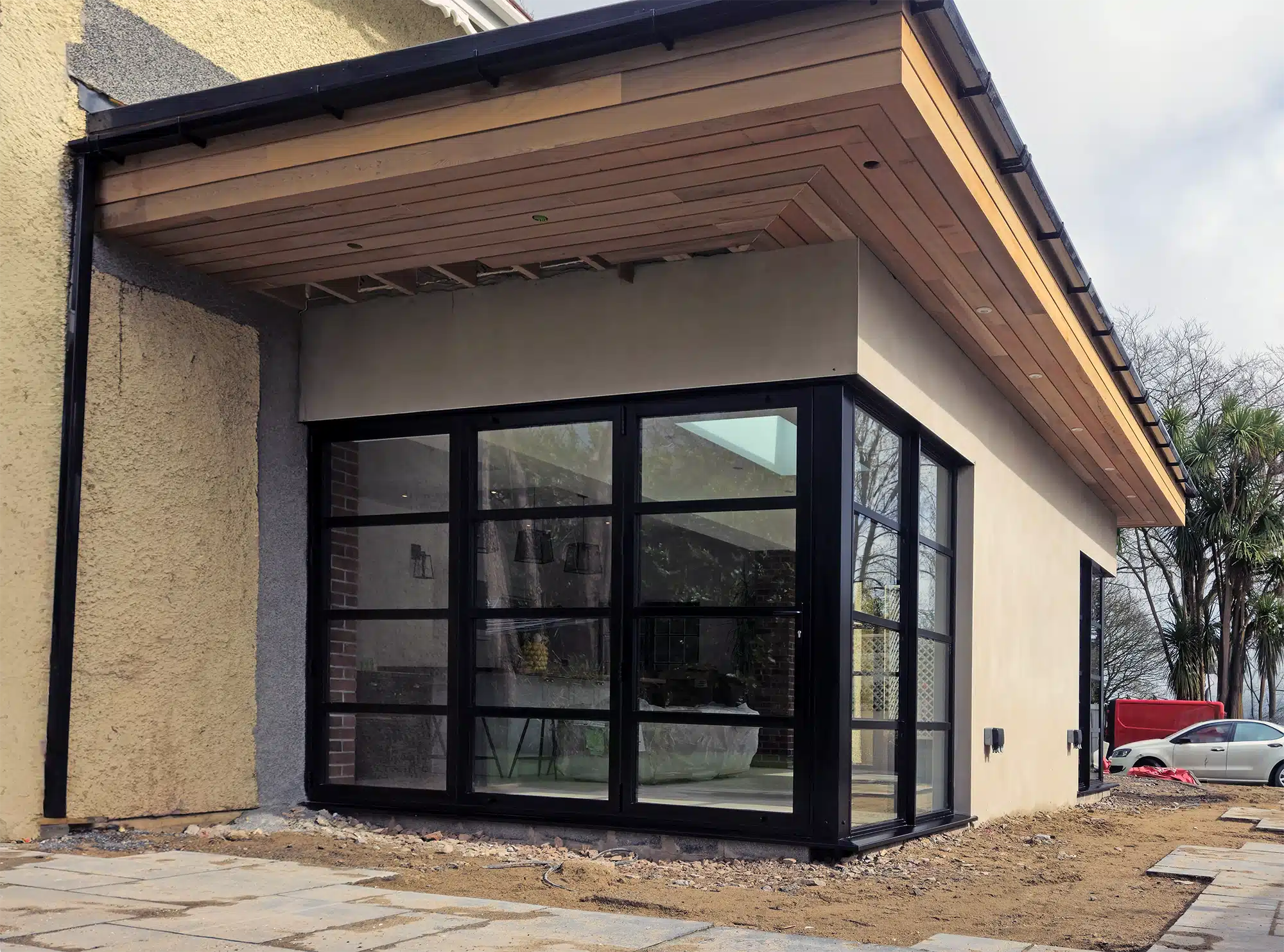
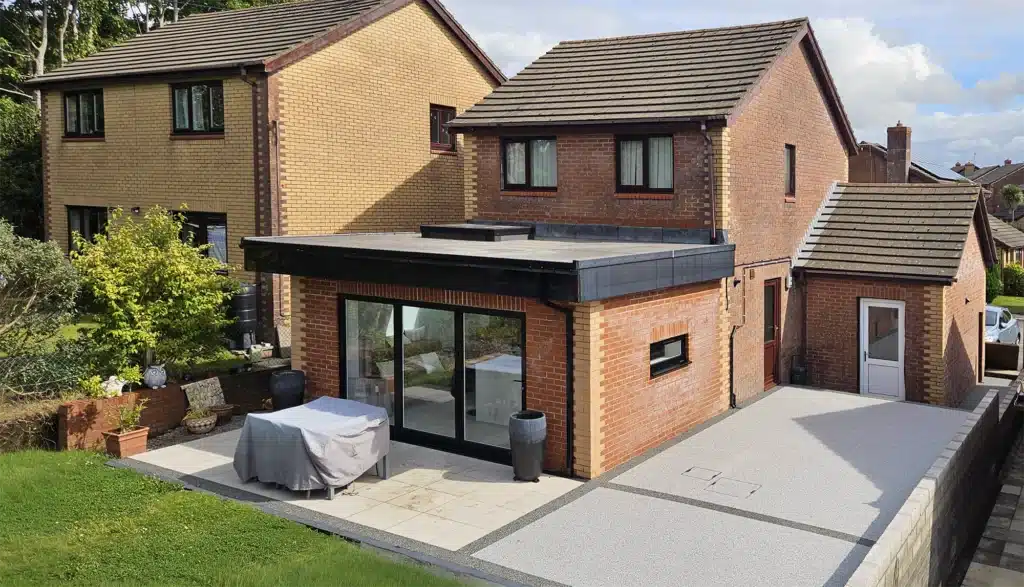
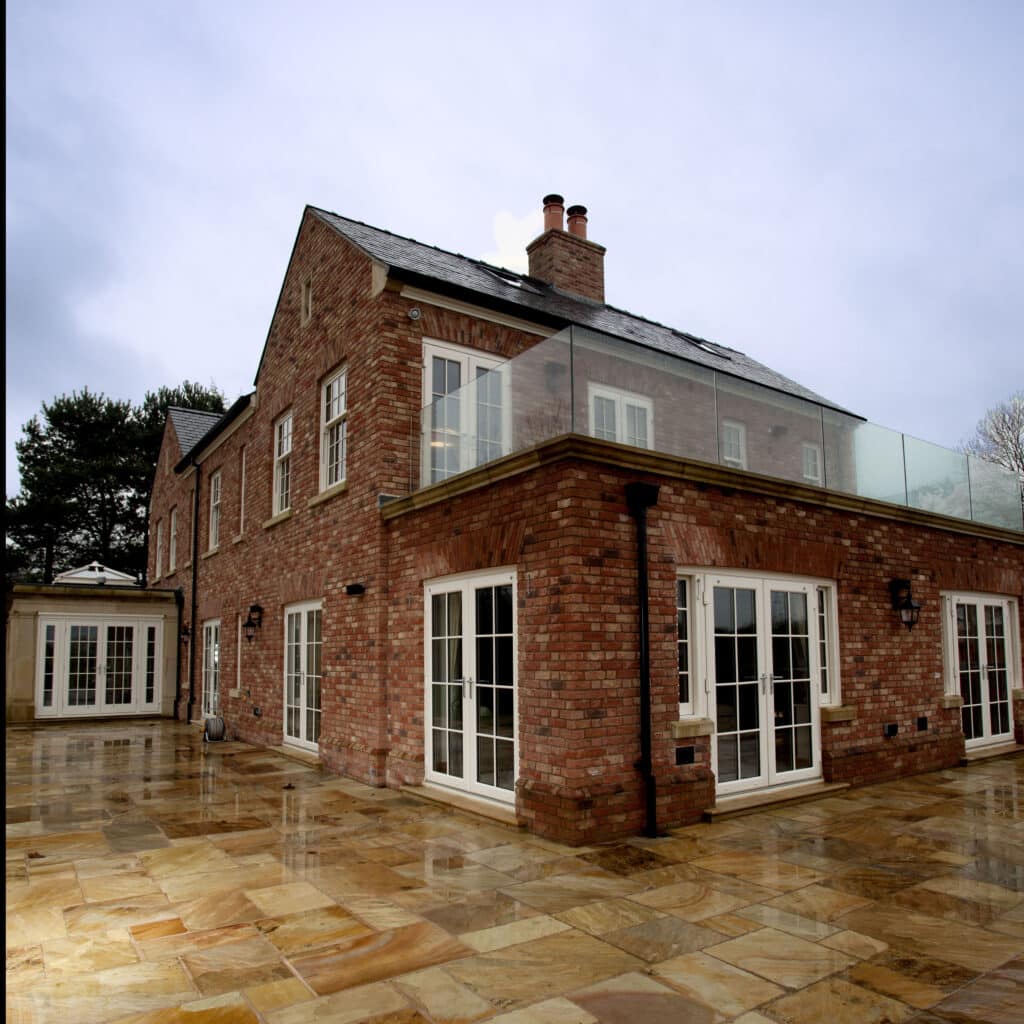
Orangeries and other extension-style glazed spaces, especially those with more solid roofs/walls, may require Building Regulations approval depending on the scope of works.
We’ll flag anything likely to need Building Control approval during survey. If there’s any doubt, we recommend confirming with your local authority Building Control for peace of mind.
Planning rules vary depending on the size and position of what you’re building. Many domestic projects can fall under permitted development, but this depends on limits/conditions and whether your property still has permitted development rights.
In Wales, conservatories are treated the same as single-storey extensions for planning purposes, and permitted development is subject to specific limits and conditions (including restrictions around principal elevations, boundaries, designated land and listed buildings).
Porches in Wales are typically permitted development provided:
external ground area is no more than 3m²
height is no more than 3m
no part is within 2m of a boundary and the highway
(And these allowances apply to houses, not flats/maisonettes, and may be removed by the local authority.)